 Regroupez et économisez
 Camping Chair
 Hamacs
 Tote Bag
 Cooler & Coffee Cup
 Serviette de plage
 Serviettes à capuche
 Couvertures de pique-nique
 Bags & Backpacks
 Cooler Backpack
 Couvertures moelleuses d'extérieur
 Sac à dos, bâche et moustiquaire
What to Take Beach Camping Now That Summer’s Right Around the Corner

There's really nothing quite like waking up to the sound of crashing waves, stepping straight out of your tent (or hammock) onto soft sand, and having the ocean as your front yard.
But as we know, beach camping comes with its own unique set of challenges. If you’re not prepared, you’ll spend your entire weekend wrestling with rogue wind gusts, tracking half the beach into your sleeping bag, and nursing a sunburn because you forgot that shade doesn't just magically appear on a coastal dune.
Whether you're driving your 4WD onto a secluded stretch of sand or hiking into a hidden cove for the weekend, having the right gear makes the difference between a salty paradise and an uncomfortable weekend of grit and regret.
Here's the Nakie team's essential, practical checklist of what to take beach camping, and how to keep things simple, comfortable, and sustainable.

1. Shelter & Sleep
Standard soil tent pegs are useless in loose beach sand (the first decent sea breeze will send your shelter tumbling down the beach like a tumbleweed). Here's what you need instead:
-
Sand Pegs (or Deadman Anchors): Invest in long, wide plastic or aluminium sand pegs that bite into loose ground. If it’s super soft, tie your guy lines around heavy drift logs, rocks, or canvas bags filled with sand and bury them.
-
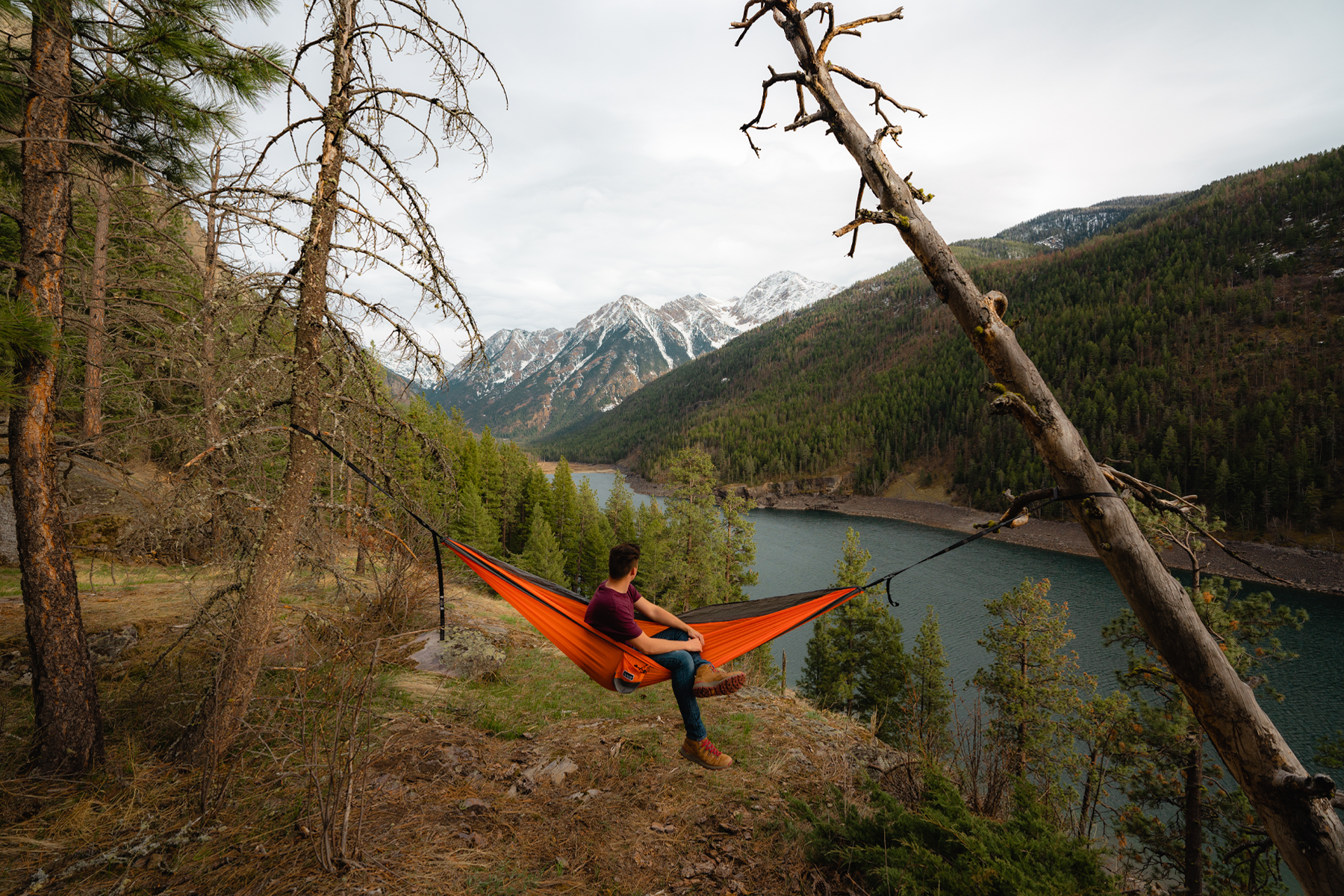
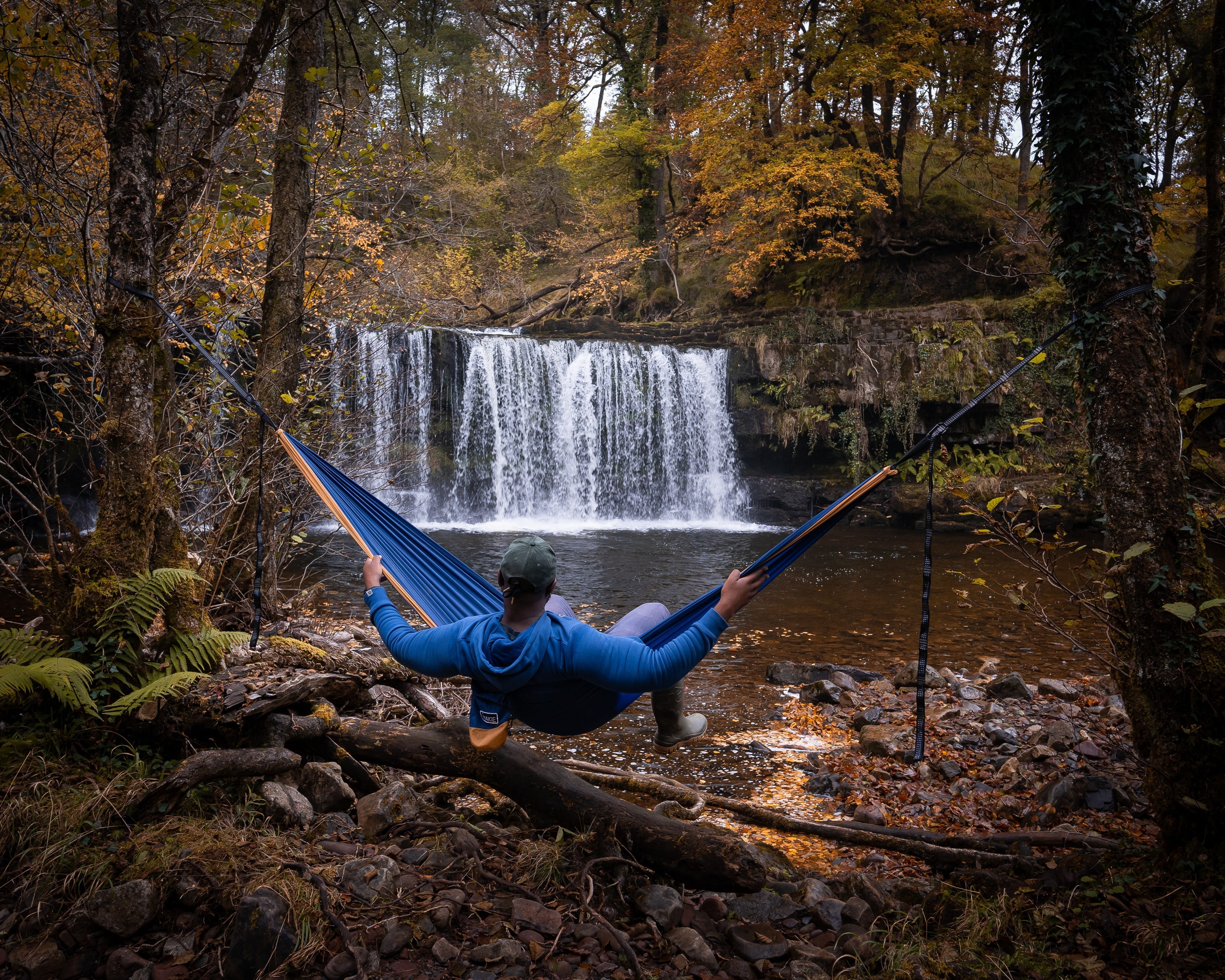
A Breathable Tent or Above Ground Setup: Coastal nights can get surprisingly humid or windy. Make sure your shelter has mesh panels for airflow. If you’re camping near coastal trees or coastal scrub, hanging a hammock keeps you elevated well clear of damp sand, crabs, and crawling bugs.
-
Sleeping Mat & Puffy Blanket: Sand gets cold overnight as it loses the day's heat. Don't skip an insulated sleeping mat, and keep a puffy blanket handy for chilly evening ocean breezes around the campfire.
 2. Daytime Comfort
There are no trees out on the open shore, so creating your own shade and comfort zone is mandatory.
-
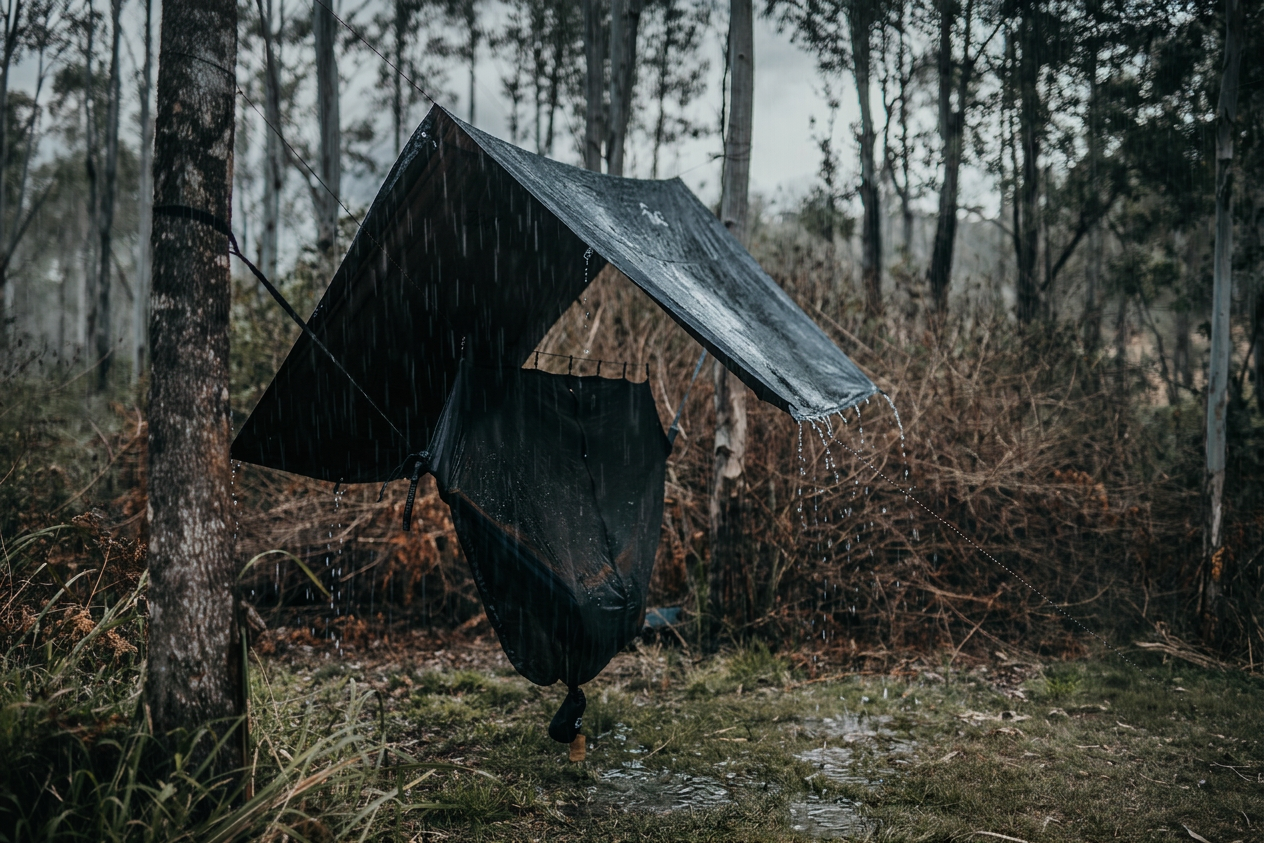
Pop-Up Shade or Tarp: A lightweight shade sail or beach umbrella gives your skin a break during peak UV hours (11:00 AM – 3:00 PM).
-
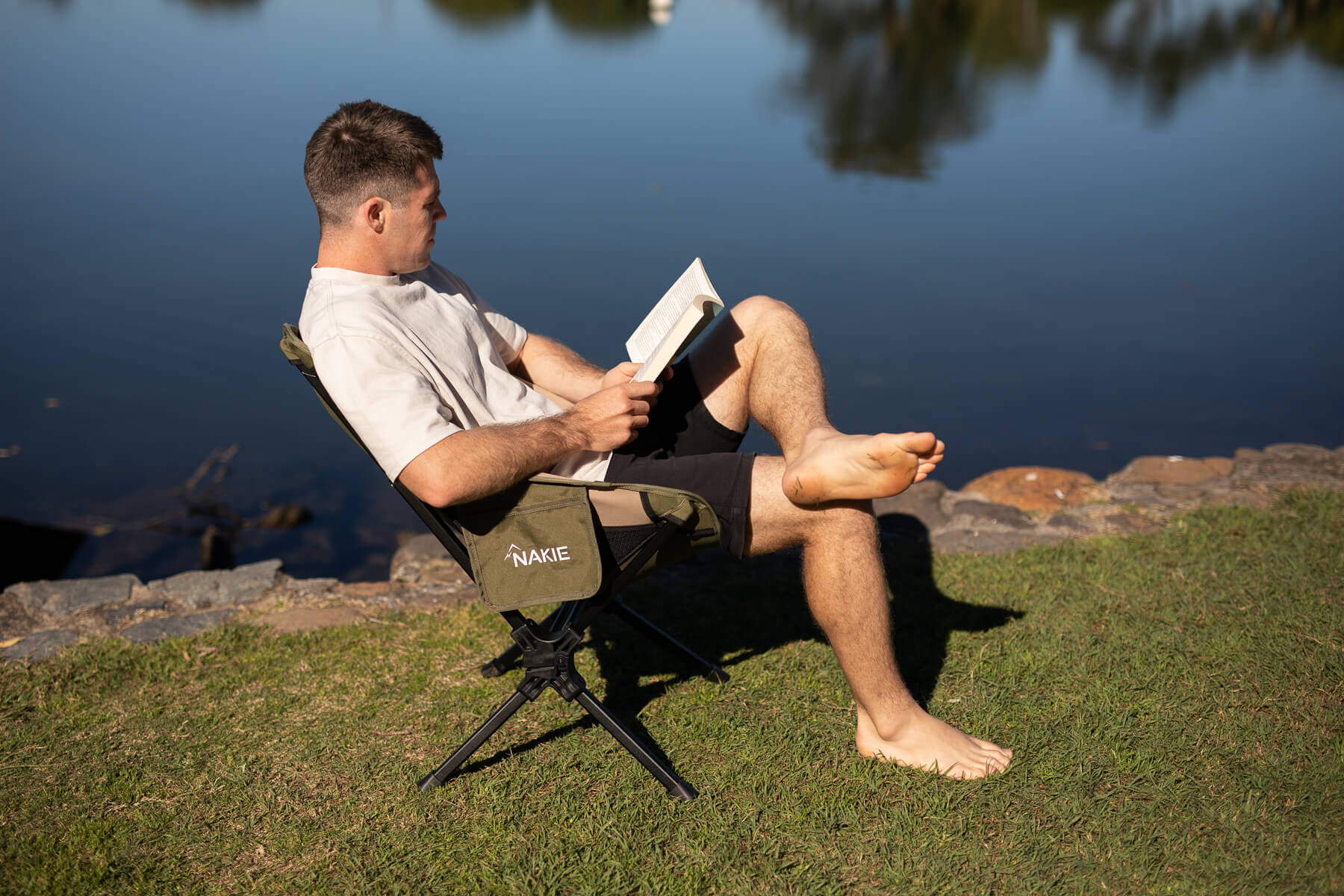
Comfortable Seating: Sitting directly on hot sand gets uncomfortable after twenty minutes. A packable Nakie camping chair weighs under 2kg, sets up in seconds, and gives you incredible back support so you can kick back and watch the waves for hours.
-
Sun Protection Essentials: Reef-safe sunscreen, a wide-brim hat, UV-blocking sunglasses, and a lightweight long-sleeve shirt to throw on when you've had enough sun.
 3. Food & Drink
Coastal sun cuts through quickly, and nothing ruins an afternoon faster than warm drinks or salt-crusted food.
-
One Cup for Hot & Cold: Space in your vehicle or pack is precious. Grab a 2-in-1 Nakie cooler can & coffee cup. It functions as a sealed double-wall coffee cup for your morning brew, then pops open to become a vacuum-insulated sleeve that keeps 375ml cans or bottles icy cold under the harsh sun.
-
Fresh Water (And Plenty of It): You can't drink the ocean, and not all coastal campsites have freshwater taps. Pack at least 4 to 5 litres of fresh water per person per day for drinking, cooking, and rinsing salt off your face before bed.
-
Simple, Low-Mess Energy: Salt air makes you hungry, but complex cooking in sandy wind can be annoying. Pack easy-to-prep meals, and keep a stash of Nakie protein bars in your daypack for instant energy between swims.

Keeping the Sand Where it Belongs
If there’s one rule of beach camping, it’s that sand gets everywhere if you let it. The trick isn't fighting the sand (it's impossible, trust us), but having gear that doesn't hold onto it.
-
Sand-Free Towels: Ditch traditional cotton bath towels. They act like giant magnets for wet sand, stay damp forever, and end up weighing a ton in your bag. A Nakie sand-free beach towel is made from recycled plastic bottles with a smooth, tight weave. All you do is give it a quick shake, and it sends sand flying right back to the beach where it belongs.
-
The Changing Game-Changer: Trying to get out of wet swimmers inside a small, sandy tent is an awkward dance nobody wins. Throwing on an oversized hooded towel gives you a mobile changing room on the beach, dries you off instantly, and keeps you warm when the sun dips.
-
A Picnic Blanket: Create a "clean zone" right outside your tent door where you can kick off thongs and wipe your feet. A recycled picnic blanket with a water-resistant backing gives you a dry, sand-free lounge spot for daytime hangs.
A Note on Coastal Ethics & Protecting the Dunes
Coastal ecosystems are fragile. Sand dunes are living barriers that protect the land from erosion, and they’re home to nesting birds and delicate native plants. So here are some do's and don'ts when it comes to beach camping:
-
Never pitch your tent directly on dune vegetation or carve out new paths through the grass. Stick to designated zones or hard-packed sand behind the main foredune.
-
Always use established access tracks to walk down to the water rather than scrambling up and down sand dunes, which causes them to collapse.
-
Leave no trace! Saltwater doesn't wash away plastic trash. Take everything out with you, including food scraps.
Quick Beach Camping Packing Checklist
Shelter & Sleep
-
Tent with sand pegs (or a hammock!)
-
Sleeping bag & insulated sleeping pad
-
Outdoor Puffy Blanket for cold evening wind
Beach & Hangout Gear
-
Sand-Free Beach Towel or Hooded Towel
-
Recycled Camping Chair
-
Waterproof Picnic Blanket
-
Beach shade shelter or tarp
Food & Hydration
-
4–5L fresh water per person, per day
-
Cooler Can & Coffee Cup for hot coffee & cold drinks
-
Camp stove, lighter, and simple pot
-
Easy meals & Nakie Protein Bars
-
Heavy-duty rubbish bags to pack everything out
Ready for Your Coastal Escape?
Beach camping is all about keeping things simple so you can soak up the sun, surf, and stars. Gear up for your next trip with lifetime-guaranteed, 100% recycled gear over at nakie.co, and help us plant 4 trees with every single order.
Camping FAQs
Can I light a campfire on the beach?
It depends on the local council and park regulations. Where fires are permitted, keep them small, use brought-in firewood (don't burn dune vegetation or drift logs that shelter wildlife), and drown the fire with water (never just cover hot coals with sand, as sand traps heat and can severely burn the next person who steps there).
How do I stop sand from getting into my tent?
Set up a "no-shoes" zone outside your tent entrance using a small mat or picnic blanket. Keep a small dustpan brush near the door to sweep out stray grit, and keep your tent mesh zipped up at all times so wind doesn't blow sand inside.
What should I do if my car gets stuck in soft sand?
If you're 4WD camping on the beach, always lower your tyre pressure (usually down to 16–20 PSI depending the weight of your car and sand softness) before driving onto the beach. Always carr recovery tracks, a shovel, a tyre pressure gauge, and an air compressor to pump back up before hitting tarmac.