 Bündeln & Sparen
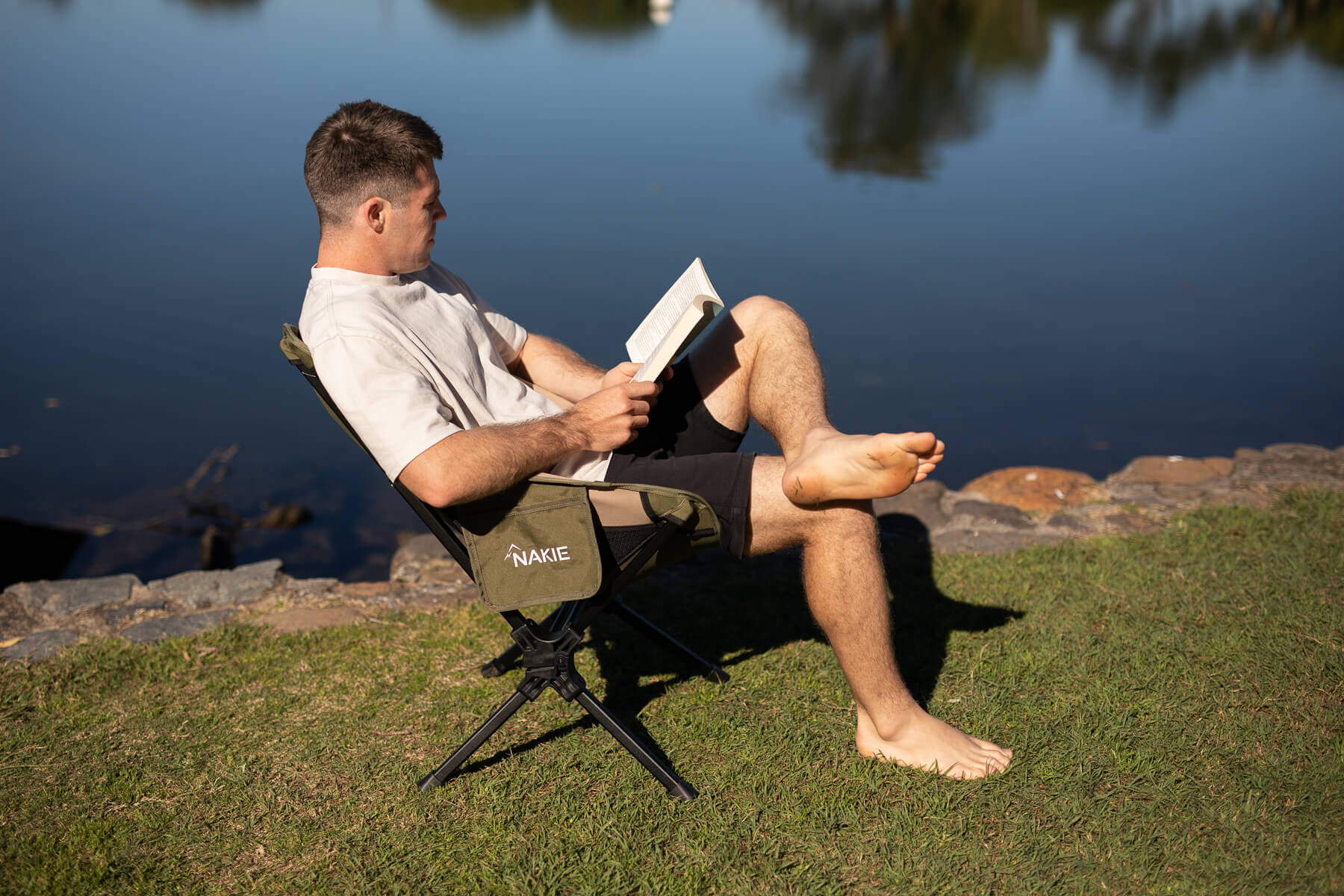
 Camping Chair
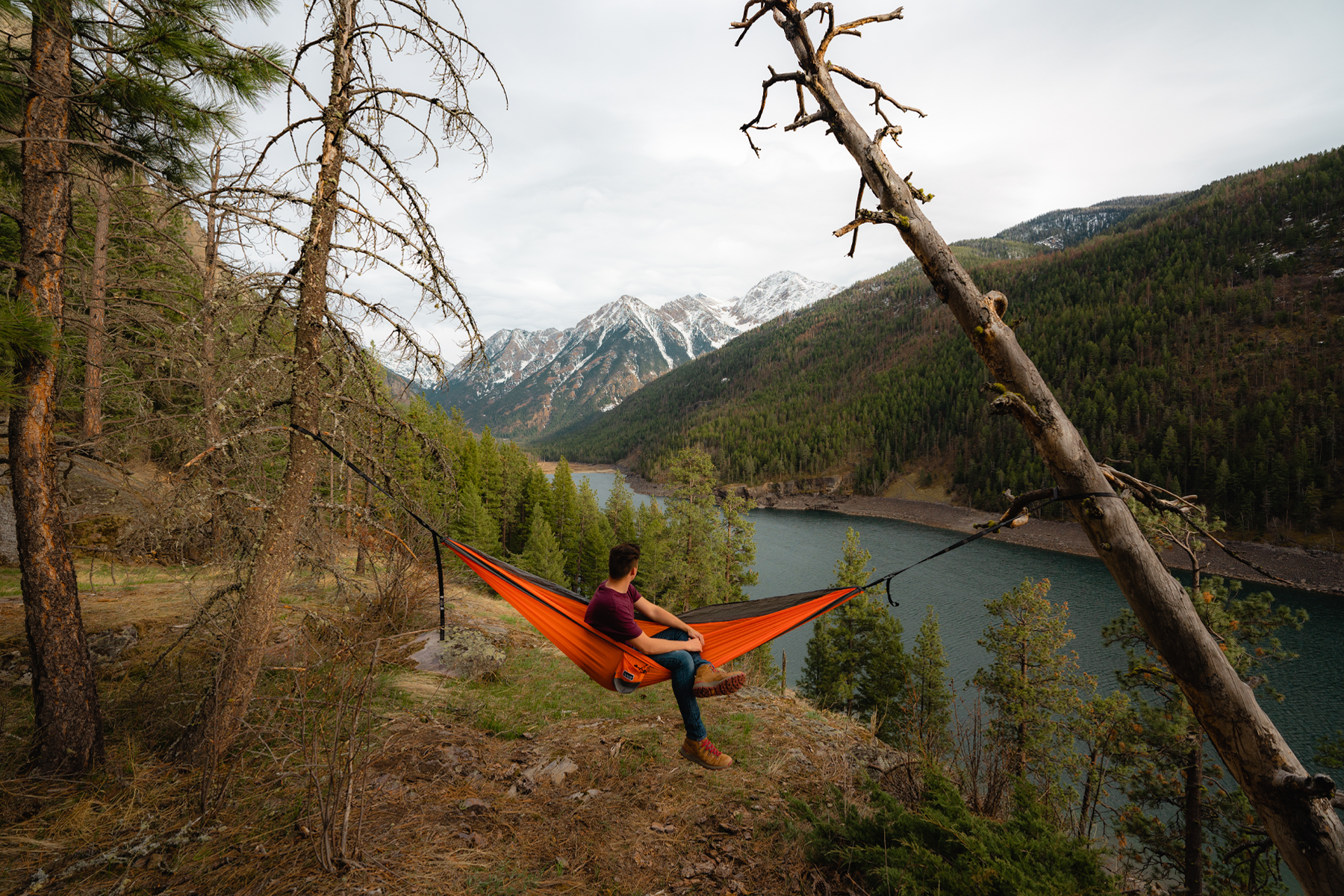
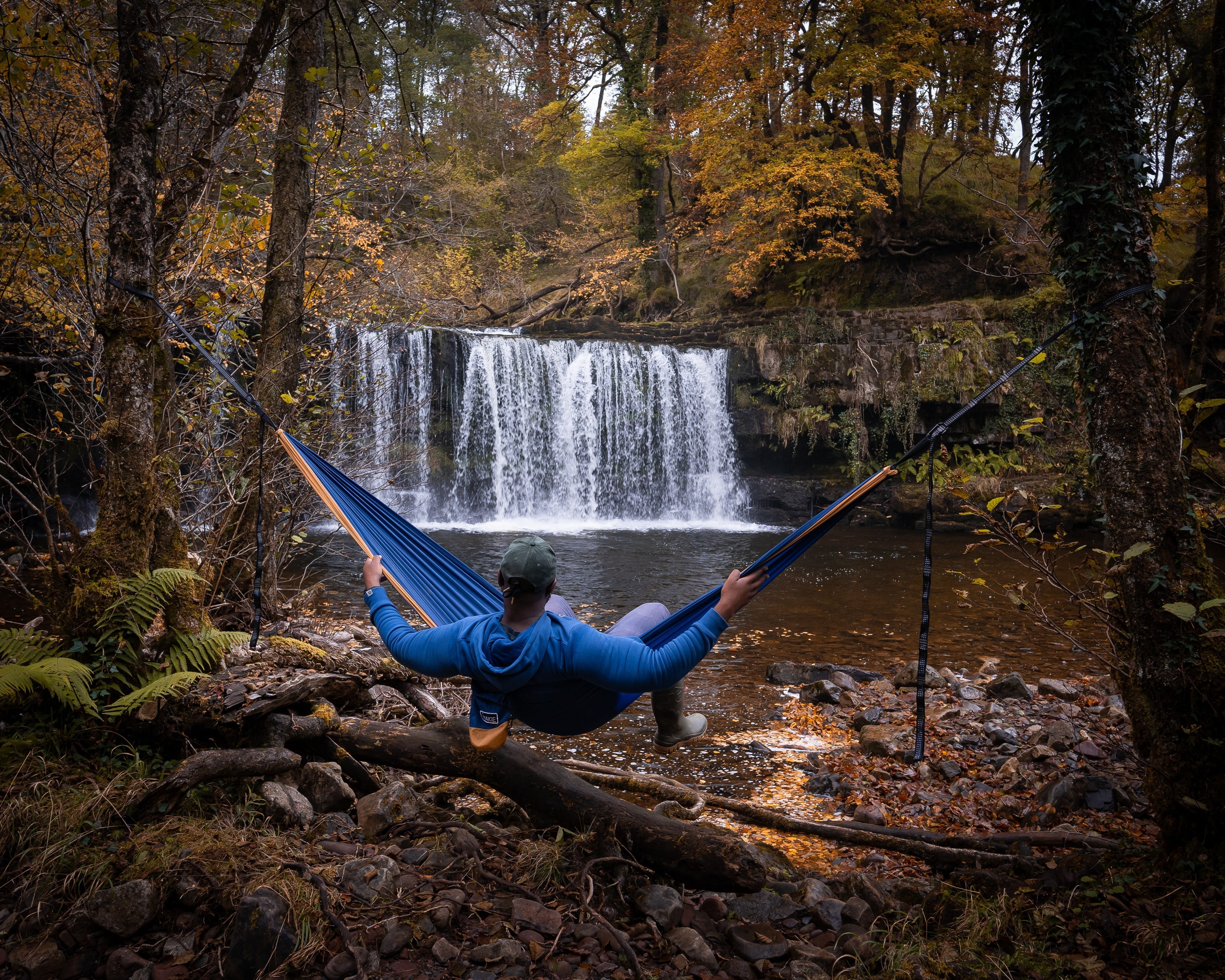
 Hängematten
 Tote Bag
 Cooler & Coffee Cup
 Strandtuch
 Kapuzenhandtücher
 Picknickdecken
 Bags & Backpacks
 Cooler Backpack
 Daunendecken für den Außenbereich
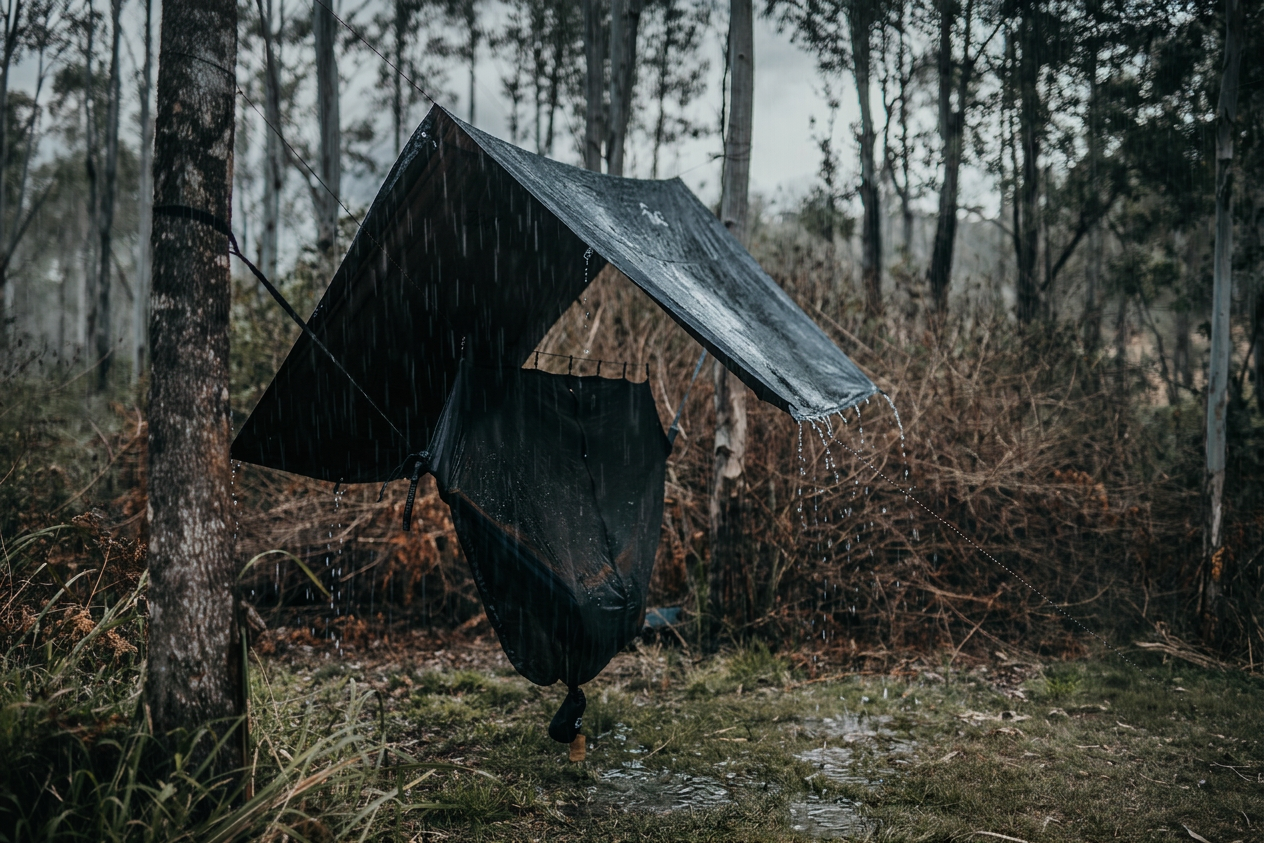
 Rucksack, Plane und Insektennetz
Why Choosing Sustainable Brands is the Smarter Way to Shop

We've all been there. You're scrolling through your phone at 11 PM, and suddenly you're three clicks away from buying something you definitely don't need. It arrives in packaging that could survive a nuclear apocalypse, you use it a handful of times, and then it lives in the back of your closet until you finally admit defeat and toss it. The cycle repeats, your wallet gets lighter, and somewhere out there, a landfill gets a little bit fuller.
But there's a smarter way to shop. One that doesn't involve contributing to the growing pile of stuff we collectively regret buying, or supporting brands that treat sustainability like it’s optional (it really isn’t).
To be a smart shopper, you need to choose sustainable brands – the ones trying to do better for the planet, and trying to do better for you
At Nakie, we started this journey after seeing plastic pollution choking our oceans while scuba diving. We couldn't unsee it, so we did something about it.
What we've learned along the way is that sustainable shopping doesn’t mean deprivation or paying a premium to feel morally superior. It's genuinely the smarter choice, and we're going to break down exactly why.
What Actually Makes a Brand Sustainable?
Before we get into it, let's clear something up: a "sustainable brand" isn't marketing jargon. It's not slapping a green leaf on your logo and calling it a day. Genuinely sustainable brands in Australia (and globally) consider the entire lifecycle of their products, from sourcing materials to what happens when you're finally done with the item.
Real sustainable brands…
-
Use eco-friendly materials like recycled plastics, organic cotton, or responsibly sourced timber
-
They're transparent about where things come from and how they're made
-
They prioritise durability over disposability because creating products that last is fundamentally better for everyone involved.
They also think about circularity and designing products that can be repaired, recycled, or composted rather than heading straight to landfill. It's the opposite of that "buy it cheap, replace it often" model we've all been taught to accept as normal.
At Nakie, we turned 37 recycled plastic bottles into products built to last a lifetime. Our entire range – from hammocks and beach towels to picnic blankets and puffy blankets – is made from recycled materials. Not because it sounds good in marketing copy, but because we genuinely hate seeing things end up in landfill. Our mission from day one has been to reduce waste, not add to it.

Cheap Outdoor Gear Costs More Than You Think
Here's what nobody tells you about that bargain-bin purchase: it's not truly a bargain. You're just paying for it in different ways.
That ridiculously low price tag exists because corners are being cut somewhere. Maybe it's the materials. Maybe it's the environmental protections being ignored. Maybe it's both. The point is, cheap often means compromised – in quality, in ethics, or in environmental impact.
Consumer goods that are designed to be disposable create a cycle that's expensive in the long run. You buy something for $20, it breaks or falls apart within months, so you buy another one. And another. Before you know it, you've spent $60 on something that never really worked properly anyway, and you've created unnecessary waste in the process.
Then there's the environmental bill. We're collectively drowning in stuff. Australians send 800,000 tonnes of textiles and leather to landfill each year. Our oceans are filled with plastic pollution – the exact problem we witnessed firsthand that made us start Nakie in the first place. When you buy cheap, disposable products, you're feeding a system that's fundamentally broken.
Why Sustainable Brands Are Actually the Smart Choice
They Last (And Save You Money)
Sustainable brands invest in quality. When you buy something built to last, you're not just buying a product but also years of use without the constant replacement cycle.
Do the math: a $130 hammock that lasts for decades with proper care, versus five $40 hammocks you replace every couple of years? The sustainable option wins financially, and you don't have to deal with the frustration of gear that fails when you’re out in the wild.
We spent nine months testing and developing our first product because we wanted to get it right. And that’s not exceptional; it's just what happens when you care more about creating something worthwhile than hitting a release date. Quality takes time, but it pays off in products that deliver.
They're Better for the Planet (Obviously)
This one's pretty straightforward. Sustainable brands minimise waste, reduce carbon emissions, avoid toxic chemicals, and often actively clean up existing pollution rather than adding to it.
Every Nakie hammock removes 37 plastic bottles from potential ocean pollution. That's literal plastic that would otherwise be floating around harming marine life. When you choose sustainable brands, you're supporting companies that see environmental responsibility as core to their mission and not simply a marketing afterthought.
And here's the multiplier effect: when enough people choose sustainable brands, the entire industry has to respond. We're already seeing it happen. Consumer demand for sustainable products is reshaping how companies think about production, materials, and waste.

You're Supporting Real People and Values
Behind every sustainable brand, there are usually real people who actually care about what they're creating. At Nakie, that's us – Dean, Jaryd, and Tegan – three people who love the outdoors and couldn't stand watching plastic destroy the places we loved.
We started in a garage at the end of 2019. The operation quickly took over the bedrooms, then the entire house. Now we're in our Eco HQ, completely self-sufficient with solar panels, water tanks, and a veggie patch for the team. That journey from garage startup to sustainable headquarters didn't happen by accident but because we're committed to building a business that reflects our values.
When you buy from sustainable brands, you're supporting intentionality; you're voting with your wallet for companies that prioritise doing things right over doing things cheaply.
The Quality of Life Factor
The simple fact is sustainable products work better. When something is built to last, it performs better, feels better, and doesn't let you down.
Think about the outdoor gear that's failed you at the worst possible moment. The tent that leaked during a rainstorm. The cheap camping chair that collapsed. The jacket that split at the seam on a cold day. That's what happens when products are designed for a price point rather than for performance.
Sustainable brands build things that work because durability is part of the sustainability equation. Our hammocks aren't just made from recycled materials; they're engineered to handle whatever you throw at them for years to come. That's the difference between gear you can rely on and gear you hope will hold up.

How to Spot the Real Deal
Not every brand claiming to be sustainable actually is. Greenwashing is a real thing, and some companies have gotten very good at appearing eco-friendly without making meaningful changes. So how do you actually know?
Check the Certification
B Corp means a business has verified its high social and environmental performance by completing a rigorous certification process. Companies need a verified score of 80+ points out of 200 and must recertify every three years. In Australia, B Corps are legally required to consider their impact on workers, customers, community, and environment. Think Thankyou, Who Gives A Crap, and Intrepid Travel.
GOTS (Global Organic Textile Standard) is the worldwide leading textile processing standard for organic fibres. It identifies that a product is at least 75% organic and assesses brands for fair harvesting of raw materials, social responsibility, environmental impact, and water and energy use.
Fair Trade ensures that cotton farmers and garment workers receive fair wages, work in safe conditions, and are free from forced or child labour. Look for Fair Wear Foundation or Fairtrade International certifications.
Ethical Clothing Australia (ECA) is crucial because made in Australia doesn't always mean made ethically – there are sweatshops in Australia. ECA maps a business's Australian supply chain from design to dispatch, making sure workers are compensated adequately and work in safe conditions.
OEKO-TEX Standard 100 certifies that textiles have been independently tested and are free from harmful substances.
How to Actually Assess a Brand
-
Look for specifics. Real sustainable brands tell you exactly what they're doing—like "made from 37 recycled plastic bottles" rather than vague claims about being "eco-conscious." They're transparent about materials, processes, and supply chains.
-
Check for third-party verification. Anyone can claim to be sustainable. Brands with B Corp, GOTS, Fair Trade, or ECA certifications have been independently verified and undergo regular audits.
-
See if they're taking real action. At Nakie, our entire Eco HQ runs on solar power with water tanks and sustainable practices built into daily operations. Look for brands that have made structural changes, not just launched a "green collection."
-
Look at product longevity. Brands that design for durability are serious about sustainability. If they're encouraging you to constantly replace things or launching new collections every month, that's fast fashion in disguise.
Watch out for greenwashing red flags:
-
Vague claims like "eco-friendly" without specifics
-
No supply chain information or manufacturing locations
-
No third-party certifications despite big sustainability claims
-
Constantly launching new products (the opposite of sustainable)
How to Make the Switch (With Zero Effort)
You don't have to overhaul your entire life overnight. Start with the things you replace regularly or the gear you actually use. When something needs replacing, choose the sustainable option. Over time, you'll build a collection of products that perform better, last longer, and align with your values.
At Nakie, we're all about getting outdoors and stripping back to nature, leaving behind the noise, the stress, and the endless cycle of consumption. And part of that is choosing gear that respects the places you're trying to enjoy.
Sustainable shopping doesn’t mean endless sacrifices. You just need to be more considerate with your choices, supporting brands that are trying to do better, and investing in products that are made with the planet in mind. It's recognising that the cheapest option usually isn't cheap at all when you factor in replacement costs, performance issues, and environmental impact.
The outdoor spaces we love are worth protecting. The planet we're all sharing is worth taking care of. And the products we bring into our lives should reflect that. Choosing sustainable brands isn't just the right thing to do – it's the smarter way to shop.

FAQs
Here are some relevant FAQs for your article:
Frequently Asked Questions
What are some sustainable brands in Australia?
Australia has a growing number of genuine sustainable brands across different categories. Some notable ones include:
-
Thankyou - Social enterprise donating 100% of profits to end extreme poverty
-
Modibodi - Period underwear reducing single-use products
-
Etiko - Fair trade organic clothing and shoes
-
Boody - Bamboo basics and essentials
-
Afends - Hemp fashion pioneer with their own farm
-
Outland Denim - Ethical denim with worker empowerment programs
-
Who Gives A Crap - Environmentally friendly toilet paper donating 50% of profits
-
Koala Eco - Plant-based, non-toxic cleaning products
And of course, Nakie - outdoor gear made from recycled plastic bottles, designed to last a lifetime.
Is sustainable clothing more expensive?
Not necessarily, and definitely not in the long run. While sustainable items often have higher upfront costs, they're designed to last years instead of months. You're paying for quality materials, fair wages, and products that won't fall apart. Plus, you're not constantly replacing things, which saves money over time.
Does "Made in Australia" mean it's sustainable?
Not automatically. While local manufacturing reduces shipping emissions, it doesn't guarantee ethical labour practices or sustainable materials. That's why certifications like Ethical Clothing Australia (ECA) are important. They verify that Australian-made products are actually produced ethically with fair wages and safe conditions.
What's the difference between organic and sustainable?
Organic refers specifically to how materials (like cotton) are grown – without synthetic pesticides or fertilisers. Sustainable is broader and considers the entire lifecycle: materials, manufacturing processes, worker treatment, durability, and end-of-life disposal. A product can be organic but not sustainable if it's poorly made, uses exploitative labour, or is designed to be disposable.
Can one person's shopping choices really make a difference?
Yes! When enough people choose sustainable brands, the entire industry has to respond. We're already seeing major retailers add sustainable lines and fast fashion brands facing pressure to change. Every purchase is a vote for the kind of world you want to live in. Plus, sustainable products that last reduce your personal waste contribution, and that adds up.
What should I do with clothes I already own that aren't sustainable?
Wear them! The most sustainable choice is always to use what you already have for as long as possible. When items wear out, replace them with sustainable options. Throwing out perfectly good clothes to buy "sustainable" ones defeats the purpose entirely.